Sam Zimmermann · 12 September 2026
How Automated Systems Are Transforming Container Management Practices at Seaport Facilities
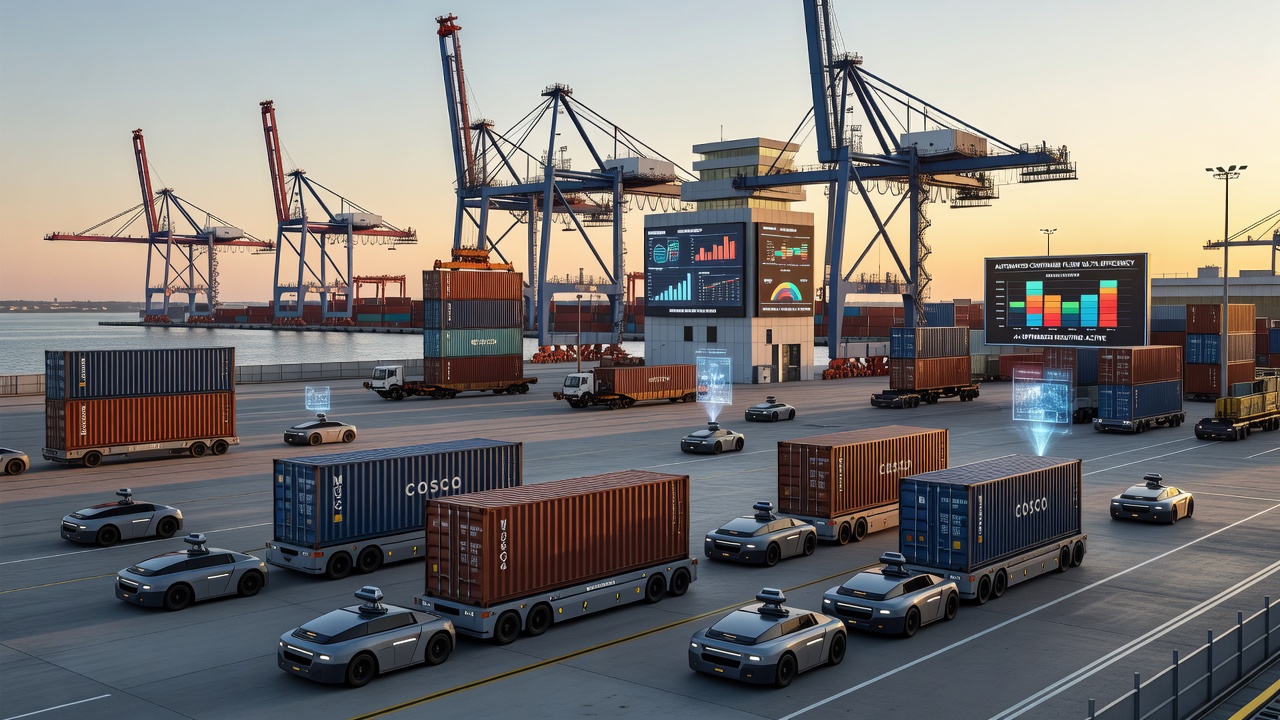
Seaports worldwide have integrated automated systems into container management operations, and these changes have produced measurable improvements in throughput and accuracy according to multiple industry reports. Equipment that once required constant human oversight now operates through sensors, algorithms, and networked controls that handle repetitive tasks with greater consistency. Ports such as Rotterdam, Los Angeles, and Singapore have documented reduced vessel turnaround times after deploying these technologies, while data from the European Commission transport reports shows corresponding drops in operational delays across several EU facilities.
Automated Cranes and Horizontal Transport Equipment
Automated stacking cranes and automated guided vehicles now move containers between ship and yard without direct operator input at many terminals, and this equipment uses laser guidance systems together with predefined routes to maintain precise positioning. Research indicates that such systems have increased moves per hour by 15 to 25 percent at terminals where they operate continuously, while reducing the number of personnel needed on the ground during peak shifts. Observers note that maintenance schedules have also shifted because predictive analytics flag potential failures before breakdowns occur, which allows crews to address issues during planned downtime rather than during active operations.
AI-Driven Scheduling and Resource Allocation
Artificial intelligence platforms analyze vessel arrival data, weather conditions, and historical traffic patterns to optimize berth assignments and yard storage plans, and these systems adjust plans in real time when unexpected delays arise. In September 2026, updates from several Asia-Pacific ports revealed that AI scheduling tools had cut average container dwell times by nearly 18 percent compared with the previous year. The same platforms coordinate truck and rail movements so that containers leave the terminal more quickly, which reduces congestion inside the gate area and improves overall terminal capacity without requiring physical expansion.
IoT Sensors and Real-Time Container Tracking
Internet of Things devices attached to containers and handling equipment transmit location, temperature, and security status data continuously, and port operators use this information to maintain accurate inventory records and respond immediately to anomalies. Studies from academic institutions have shown that sensor networks have lowered the rate of misplaced containers to below 0.5 percent at equipped terminals, compared with rates above 2 percent in earlier manual systems. Integration with customs databases further streamlines inspection processes because authorities receive advance notification of high-risk shipments before vessels arrive.
Implementation Patterns Across Regions
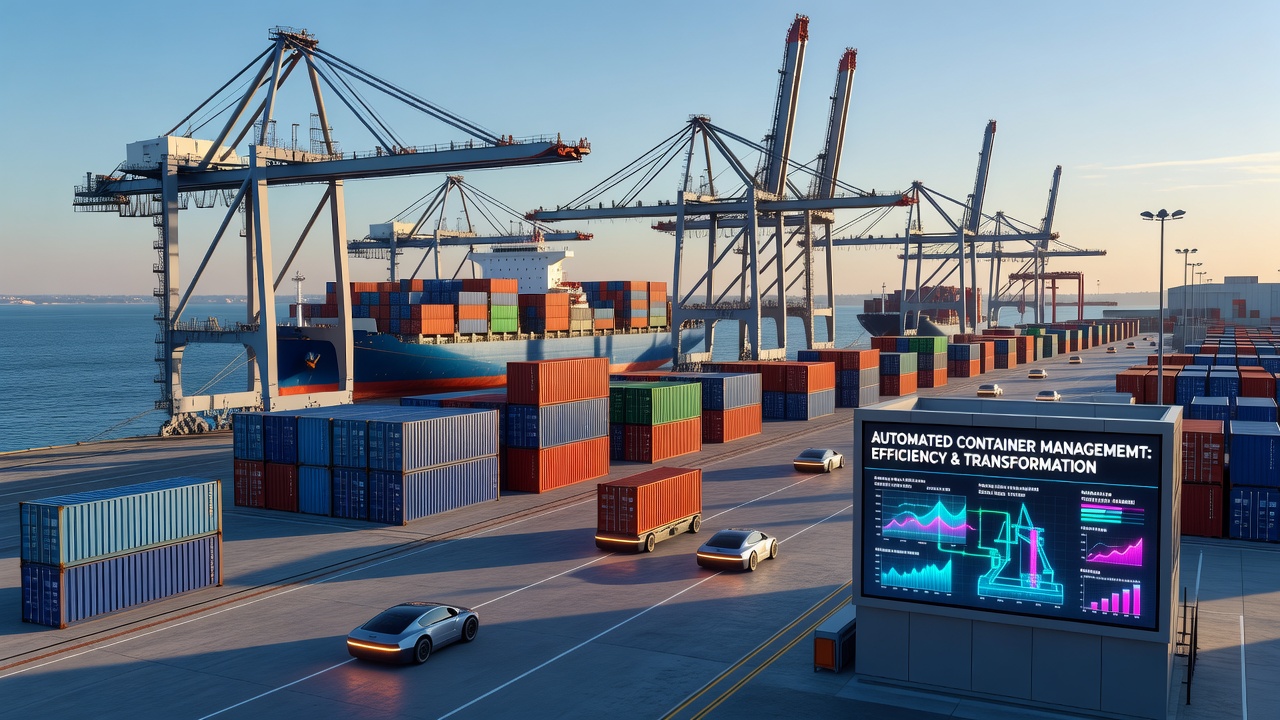
North American ports have focused on retrofitting existing cranes with automation kits, whereas many new terminals in the Middle East and Australia have been designed from the ground up around fully automated workflows. Data from the Australian Department of Infrastructure indicates that fully automated facilities there achieved 30 percent higher annual container volumes per hectare than comparable semi-automated sites. European operators, by contrast, have emphasized hybrid models that keep some manual oversight for complex or hazardous cargo, and this approach has allowed gradual workforce retraining while still capturing efficiency gains.
Integration with Broader Supply Chain Systems
Automated container management platforms now connect directly with shipping lines, freight forwarders, and inland transport providers through standardized data interfaces, and this connectivity enables end-to-end visibility that was previously unavailable. When a container leaves the vessel, its status updates flow automatically into downstream systems so that trucking companies and rail operators can adjust schedules without waiting for manual confirmation. Researchers have documented corresponding reductions in empty truck trips and idle rail assets as a direct result of these shared data streams.
Conclusion
Automated systems continue to reshape container management at seaports by replacing manual processes with sensor-driven, algorithm-guided operations that deliver consistent performance across varying conditions. Ports that have adopted these technologies report measurable gains in speed, accuracy, and capacity utilization, while ongoing developments in connectivity and predictive analytics suggest further refinements will emerge in the coming years. The pattern across regions shows that successful implementations combine equipment upgrades with data integration and workforce adaptation, creating operational environments where automated adn human roles complement each other rather than compete.