Viktor Friedrich · 21 November 2026
Sensor Networks Facilitating Adaptive Freight Rerouting at Regional Waterfront Hubs
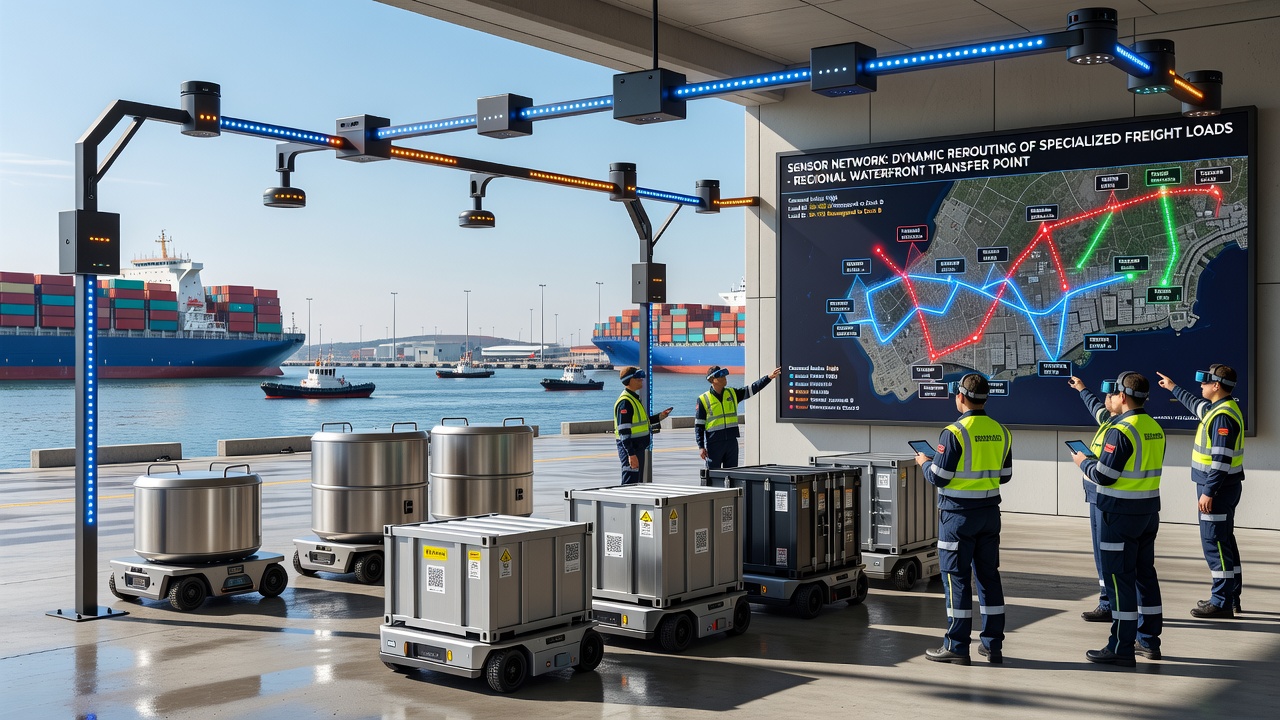
Regional waterfront transfer points handle specialized freight loads that range from refrigerated pharmaceuticals to oversized industrial components, and sensor networks collect continuous data on position, temperature, humidity, adn vibration to support dynamic rerouting when demand shifts. These networks combine fixed quay-side units with mobile tags on containers and vehicles, transmitting readings every few seconds through low-power wide-area protocols. Port operators then feed the streams into routing algorithms that recalculate optimal paths across adjacent terminals or rail spurs within minutes.
Core Components of Waterfront Sensor Deployments
Each deployment starts with a dense grid of environmental sensors anchored along piers and integrated into gantry cranes, while battery-powered nodes travel with individual loads. Researchers at maritime logistics centers note that radio frequency identification tags augmented with micro-electromechanical systems capture tilt and shock data, and ultrasonic level sensors monitor liquid or bulk cargo volumes in real time. Gateways aggregate packets and forward them to edge servers located inside terminal control buildings, where latency stays below 200 milliseconds for critical alerts. Studies from transport research groups indicate that such layered architectures reduce manual inspection times by up to 40 percent at facilities handling temperature-sensitive cargo.
Responding to Demand Fluctuations
Fluctuating demand arises from seasonal agricultural exports, sudden manufacturing surges, or weather-related vessel delays, and sensor networks provide the granular visibility required for immediate adjustments. When a sensor cluster detects a spike in reefer container temperatures at one berth, the system can redirect those units to an alternate cold-storage yard two kilometers away before spoilage thresholds are reached. In November 2026, several North American and European terminals reported coordinated reroutes of chemical tank containers following an unexpected refinery maintenance shutdown, with algorithms reallocating 18 percent of inbound volume across partner facilities within four hours. Data from the same period shows average dwell times dropped from 36 hours to 29 hours at equipped sites compared with legacy operations.
Integration with Existing Port Infrastructure
Modern waterfront facilities already operate terminal operating systems and vessel traffic services, and sensor networks slot into these platforms through standardized application programming interfaces. Engineers connect IoT gateways to existing fiber backbones while maintaining separate wireless meshes for redundancy during power fluctuations. Observers at Singapore and Rotterdam terminals describe successful pilots where sensor-derived rerouting instructions appear directly on crane-operator tablets, allowing simultaneous updates to yard inventory and customs manifests. The approach avoids full system overhauls and instead layers incremental data feeds onto proven control software.
Case Examples from Multiple Regions
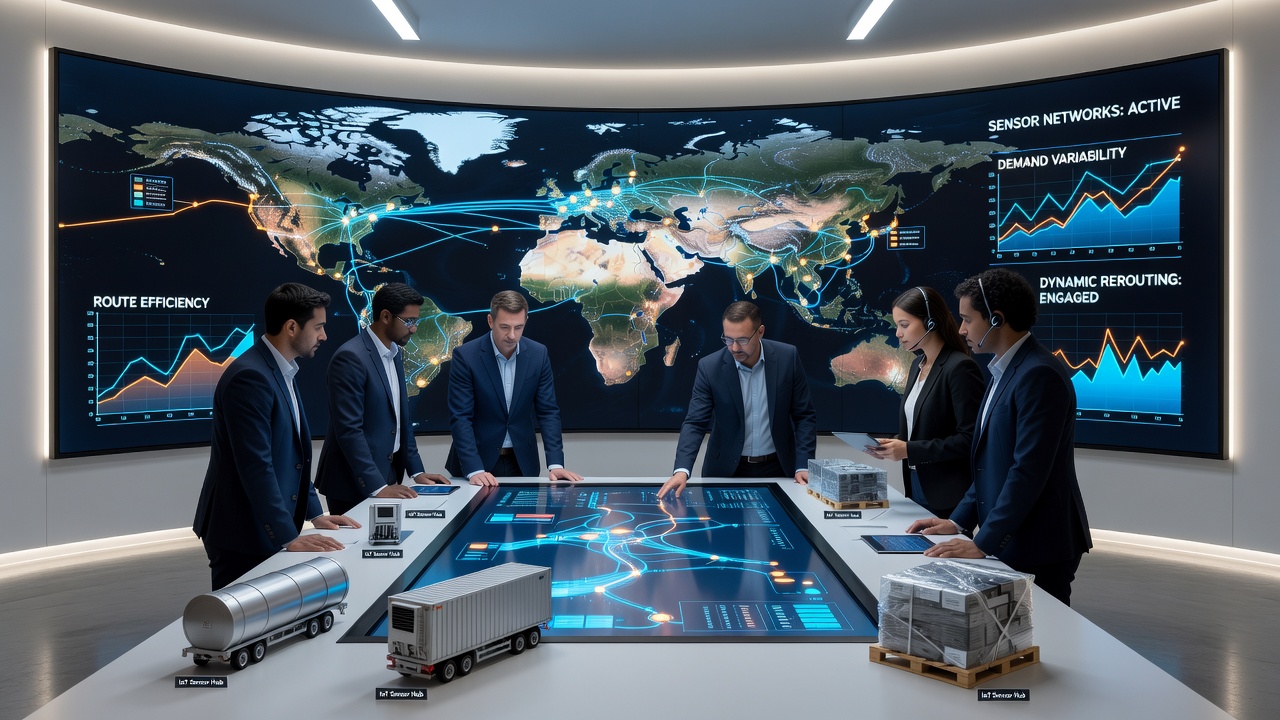
One Australian bulk terminal integrated vibration sensors on conveyor-fed mineral hoppers and achieved dynamic diversion of overloaded wagons to secondary sidings when demand from steel mills dropped overnight. A Canadian Great Lakes facility used similar networks to shift oversized wind-turbine blades between barge and rail after ice-delayed vessel arrivals created sudden capacity mismatches. European Union transport reports document comparable outcomes at smaller Baltic ports where specialized timber shipments were rerouted across three terminals following a sudden spike in Scandinavian construction orders. Each case relied on the same principle: continuous sensor telemetry feeding predictive models that forecast berth and storage availability four to six hours ahead.
Security and Data Governance Considerations
Because specialized freight often carries high commercial value or regulatory sensitivity, sensor networks incorporate encrypted channels and role-based access controls. Port authorities in Australia and Canada require annual penetration testing of gateway firmware, and data retention policies limit storage of location traces to 90 days unless longer retention is justified by safety investigations. Industry associations emphasize that anonymized aggregate datasets still yield useful demand-forecasting models without exposing individual shipper identities. These safeguards have allowed broader adoption even at facilities handling defense-related or hazardous materials.
Scalability Across Network Sizes
Smaller regional transfer points operate with fewer than 200 sensor nodes yet still achieve reliable coverage through strategic placement at choke points such as weighbridges and transfer cranes. Larger hubs scale to several thousand nodes by deploying self-healing mesh topologies that reroute data packets around failed units. Research published by academic logistics departments indicates that incremental node addition maintains network reliability above 99.2 percent even when individual sensors experience 15 percent annual failure rates due to corrosion or impact damage. Maintenance crews therefore schedule quarterly battery swaps and firmware updates during scheduled low-demand windows rather than full shutdowns.
Conclusion
Sensor networks now supply the real-time visibility that allows regional waterfront transfer points to reroute specialized freight loads when demand patterns change, and documented implementations across multiple continents confirm measurable reductions in dwell time and spoilage risk. Continued integration with existing terminal systems, combined with appropriate data governance, supports further expansion into additional cargo categories without requiring complete infrastructure replacement. As November 2026 data continues to accumulate, operators gain clearer benchmarks for comparing performance across different network densities and geographic conditions.